I have been thoroughly impressed with the healthcare system here in Vietnam. The level of care is exceptional, and the staff genuinely seem to prioritise their patients. When you are with a doctor, nurse, or any member of the medical team, they focus entirely on you. Nothing else matters until your issue is fully resolved.
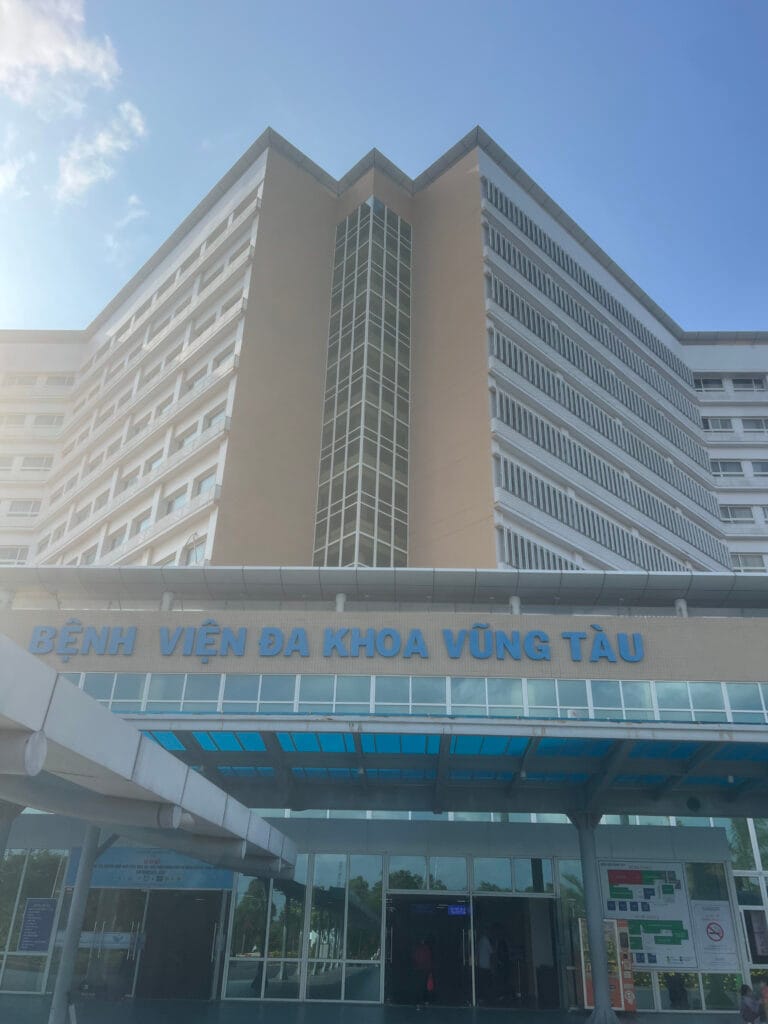
Shortly after arriving, I was bitten by a dog and went to Vung Tau Hospital for rabies shots. A nurse kindly held my hand and personally walked me through the facility for about five minutes to ensure I reached the right place for the vaccine. The entire course of three shots cost only around twenty dollars, which I found remarkably affordable. That remains the only vaccine I have received here, and I am placing my trust in its effectiveness.
Another positive experience was getting prescription glasses. The process was incredibly efficient — it took just twenty minutes from examination to completion. I walked out wearing them the same day. The equipment used was state-of-the-art, far more advanced and streamlined than anything I had encountered in Australia, with robotic and fully digital processes. The total cost was only forty-five dollars.
Doctor consultations have also been outstanding. While some prescription medications can be expensive — particularly items like Nexium, which Vietnamese people rarely use and which therefore carry a “foreigner price” — the overall service more than compensates. Initially, there can be higher prices for foreigners, but as you build relationships and become a regular, costs often adjust to a fairer, local rate. The providers clearly do not want to overcharge those who are staying long-term.
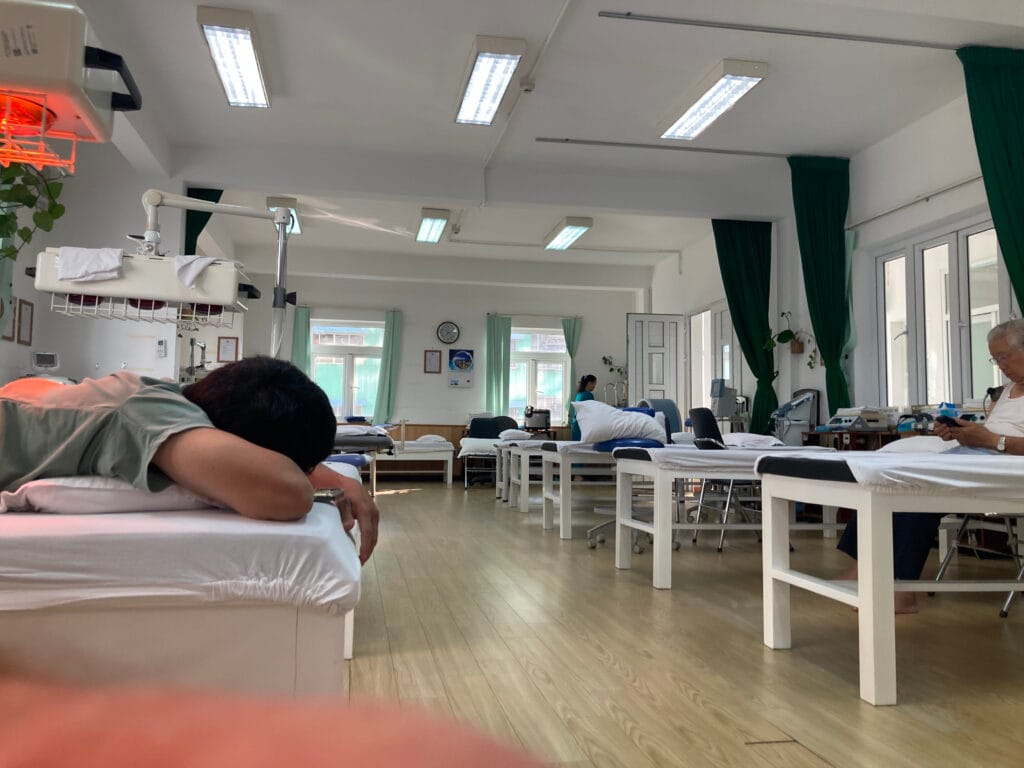
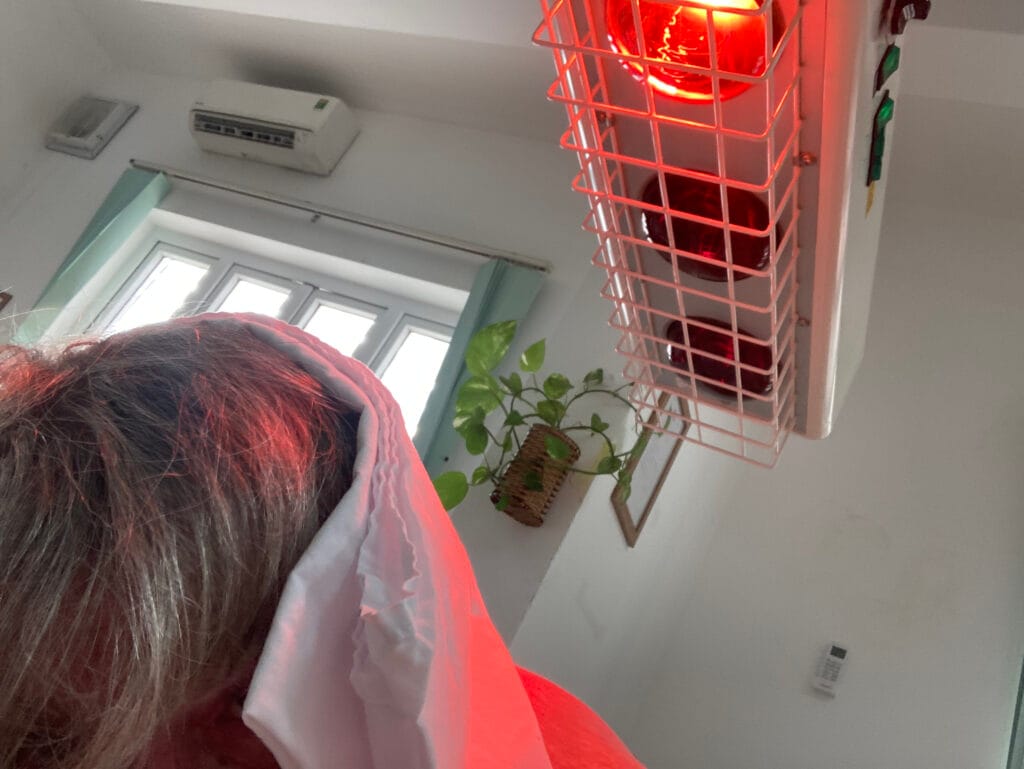
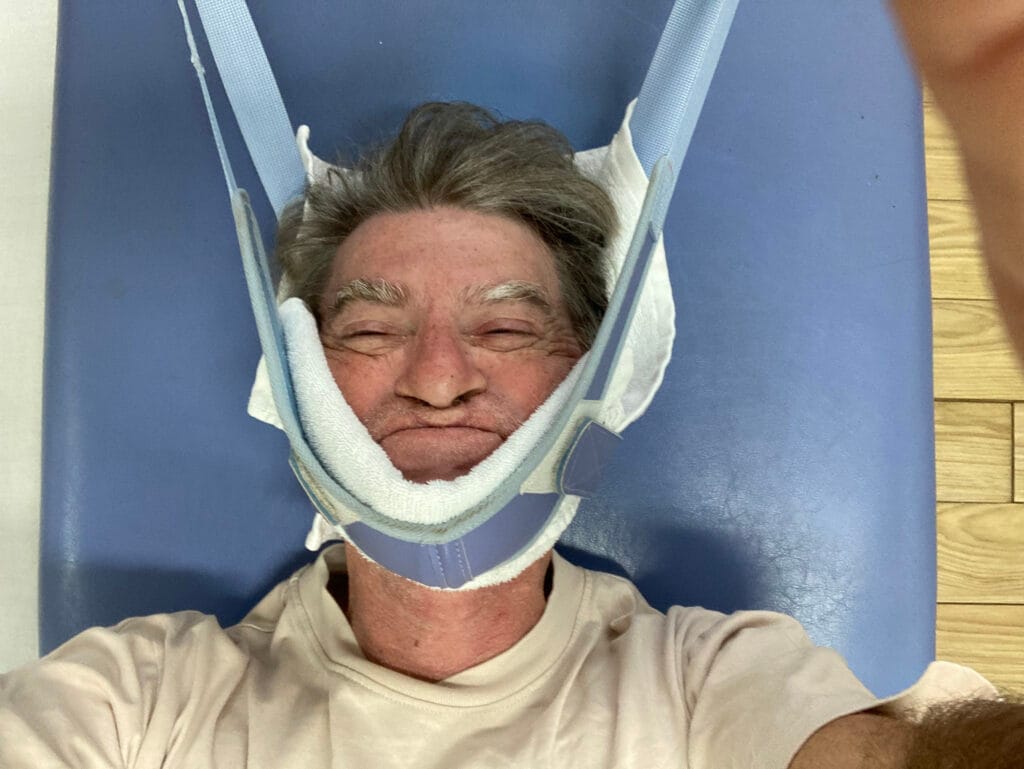
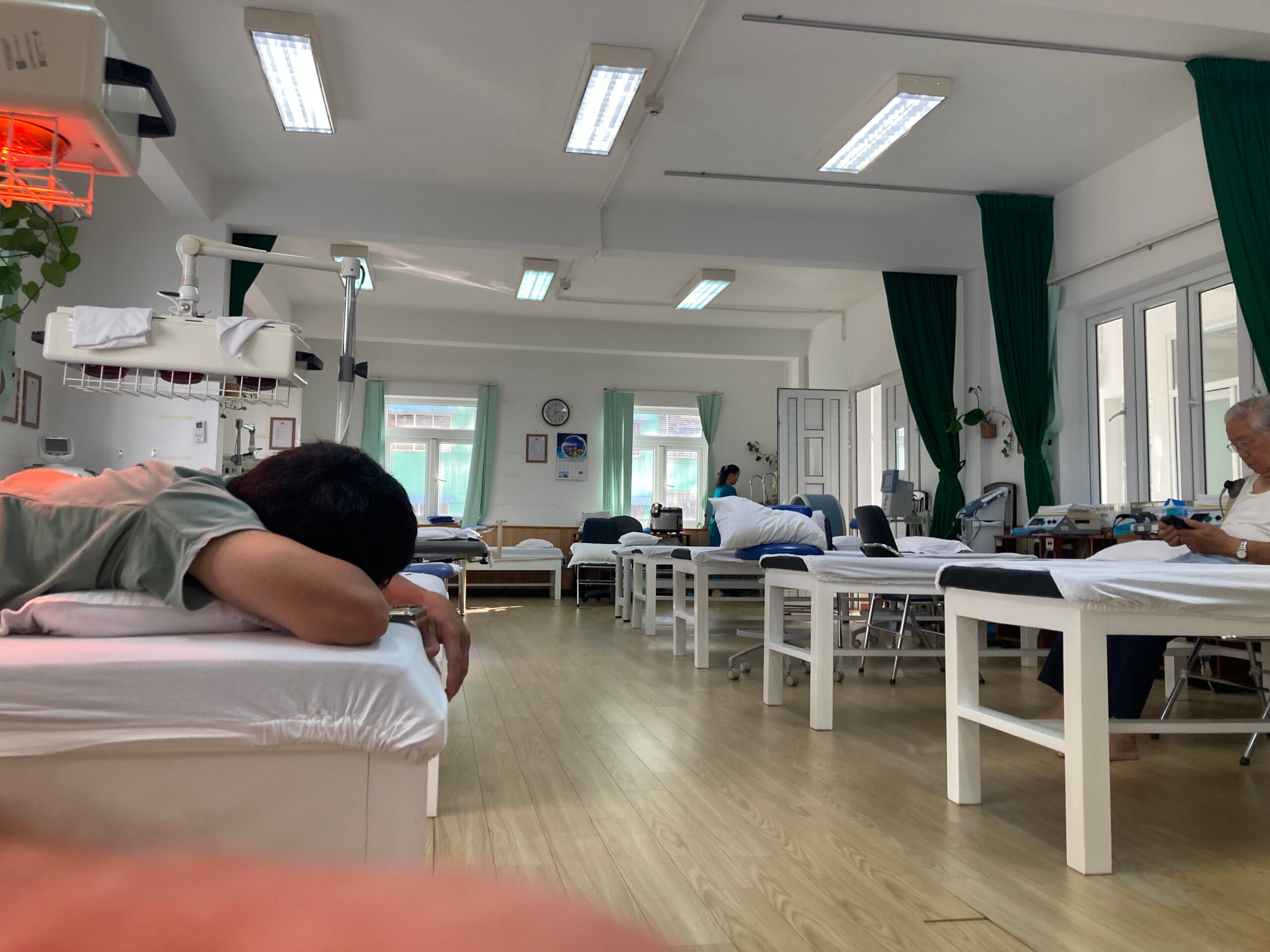
During one visit for severe neck pain, the doctor prescribed a month’s supply of steroids. This was something no Australian doctor had ever suggested despite years of similar issues. The consultation, including prescriptions, cost around one hundred and ten dollars, but the quality of care felt like a five-star resort. The doctor also referred me for physiotherapy, which proved transformative. For fifty dollars, I completed a full week of treatment (two-hour sessions over five days). Instead of one-on-one therapy, the centre used a sophisticated sequence of machines: starting with an infrared lamp, followed by a traction device with a chin strap that gently but progressively pulled and realigned my neck and spine. The tension was increased daily, and by the end of the course. Another was electrode therapy. Copper paddles placed at poignant spots on the back and neck and a series of electrical charges surges between them, alternating at different frequencies. This would cost hundred in Australia. I felt better than I had in two or three years.
Navigating the system effectively does require some cultural awareness. Learning a few basic Vietnamese phrases helps, but showing genuine gratitude is even more important. The staff deeply appreciate patients who express thanks, and they feel personally invested in your recovery. They appear genuinely disappointed if they cannot help.
My dental experience further highlighted this dedication. I needed a root canal but have developed a high tolerance to local anaesthetics over the years, often requiring general anaesthesia in Australia. The clinic attempted four injections, yet I could still feel everything, including pain deep in the root. Even the head dentist — all of their practitioners are Harvard-trained, with degrees proudly displayed — was surprised and confirmed he had never seen such resistance. They do not offer general anaesthesia, so I am returning soon to attempt the procedure again and test my pain tolerance. The dentist advised against extraction, not for financial reasons but because stopping midway due to pain would cause unnecessary trauma. His thoughtful approach left a strong impression.
Finally, the blood tests required before the dental work demonstrated another impressive technique. In Australia, I have endured numerous painful and unsuccessful attempts at blood draws, resulting in multiple clots and bruises. Here, the technician used a “flick stick” method common in some Asian countries: a small butterfly needle is aligned with the vein and flicked in with precision. It was virtually painless and successful on the first try.
Overall, my healthcare experiences in Vietnam have been uplifting and rewarding. The combination of compassionate care, modern equipment, reasonable costs, and cultural warmth makes a genuine difference. With a bit of patience and respect for local customs, the system delivers outstanding results.